
Accurate financial records are the foundation of every successful business. Yet for many small and growing companies, bookkeeping often becomes a time-consuming task that competes with more strategic priorities like sales, operations, and growth. Modern technology has changed that equation. Today’s cloud-based bookkeeping platforms allow businesses to automate routine financial tasks, maintain real-time visibility into their finances, and collaborate more effectively with accountants and advisors.
Choosing the best bookkeeping software for small business operations is no longer just about recording transactions. It’s about improving financial accuracy, streamlining workflows, supporting compliance, and enabling better decision-making. With the right tools in place, business owners can reduce administrative burden while gaining clearer insight into profitability, cash flow, and operational performance.
In this guide, we’ll explore the essential bookkeeping tools modern businesses should consider, how they improve financial management, and the key features that make these platforms valuable for growing companies.
Why Modern Businesses Need Digital Bookkeeping Tools
Traditional bookkeeping methods—manual spreadsheets or disconnected accounting systems—often create inefficiencies that limit financial visibility. As businesses grow, these systems become difficult to manage and more prone to errors.
Adopting the best bookkeeping software for small business environments allows companies to move toward automated, integrated financial management.
Modern bookkeeping platforms deliver several critical advantages:
Real-Time Financial Visibility
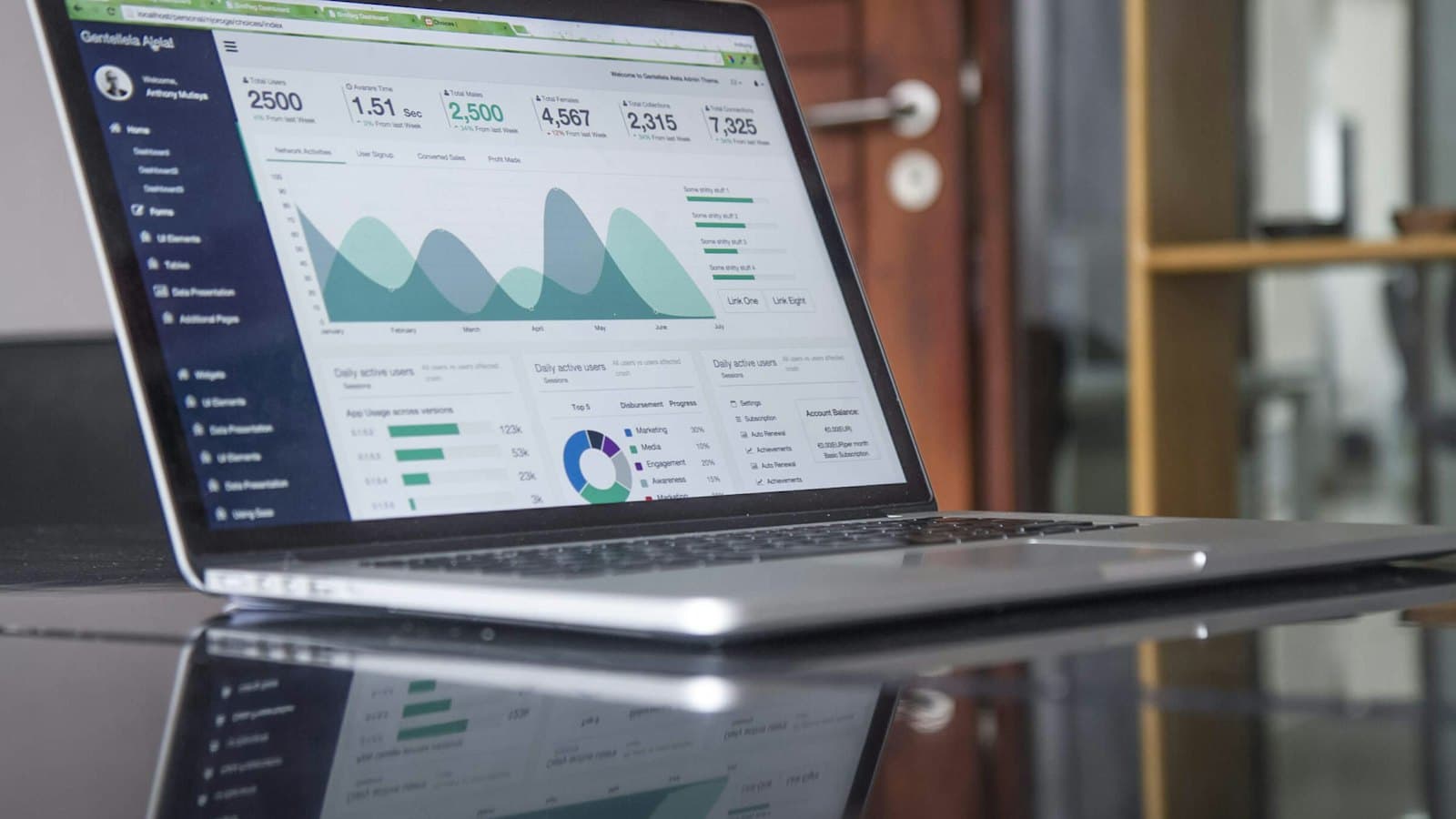
Cloud-based systems update financial records automatically as transactions occur. Business owners and finance teams can access up-to-date financial reports at any time, enabling faster and more informed decisions.
Improved Accuracy Through Automation
Automated transaction imports, bank feeds, and categorization tools significantly reduce the risk of manual entry errors. Automation ensures financial records remain consistent and reliable.
Simplified Collaboration with Advisors
Digital bookkeeping systems allow accountants and financial advisors to access data remotely, improving collaboration and allowing issues to be addressed proactively rather than during year-end reviews.
Scalability for Business Growth
As companies expand, financial complexity increases. Modern bookkeeping platforms provide features such as multi-user access, project tracking, inventory management, and financial forecasting that support long-term growth.
In short, bookkeeping technology is no longer just a convenience—it is an essential component of effective financial management.
Key Features to Look for in the Best Bookkeeping Software for Small Business
Not all bookkeeping software offers the same capabilities. When evaluating solutions, business owners should focus on features that improve efficiency, financial clarity, and integration with other systems.
- Cloud-Based Accessibility
Cloud accounting platforms allow users to access financial data from anywhere with an internet connection. This flexibility is especially valuable for businesses with remote teams, multiple locations, or external advisors.
Cloud-based systems also ensure that financial records are securely backed up and regularly updated with the latest software improvements.
- Automated Bank and Credit Card Integration
One of the most valuable features of modern bookkeeping tools is automatic bank feed integration. Transactions from business bank accounts and credit cards can be imported directly into the accounting system.
This automation:
- Reduces manual data entry
- Improves reconciliation accuracy
- Allows transactions to be categorized quickly and consistently
By minimizing repetitive tasks, business owners and finance teams can focus more on financial analysis rather than administrative work.
- Invoicing and Accounts Receivable Management
Cash flow management is a critical concern for many businesses. Strong bookkeeping software should include built-in invoicing tools that allow companies to generate professional invoices, track outstanding payments, and send automated reminders to clients.
These features help businesses:
- Accelerate payment cycles
- Monitor receivables more effectively
- Improve overall cash flow management
- Expense Tracking and Receipt Management
Modern bookkeeping platforms often include mobile apps that allow users to capture receipts and upload expense documentation instantly.
This functionality helps businesses:
- Maintain organized financial records
- Simplify expense reporting
- Ensure compliance with documentation requirements
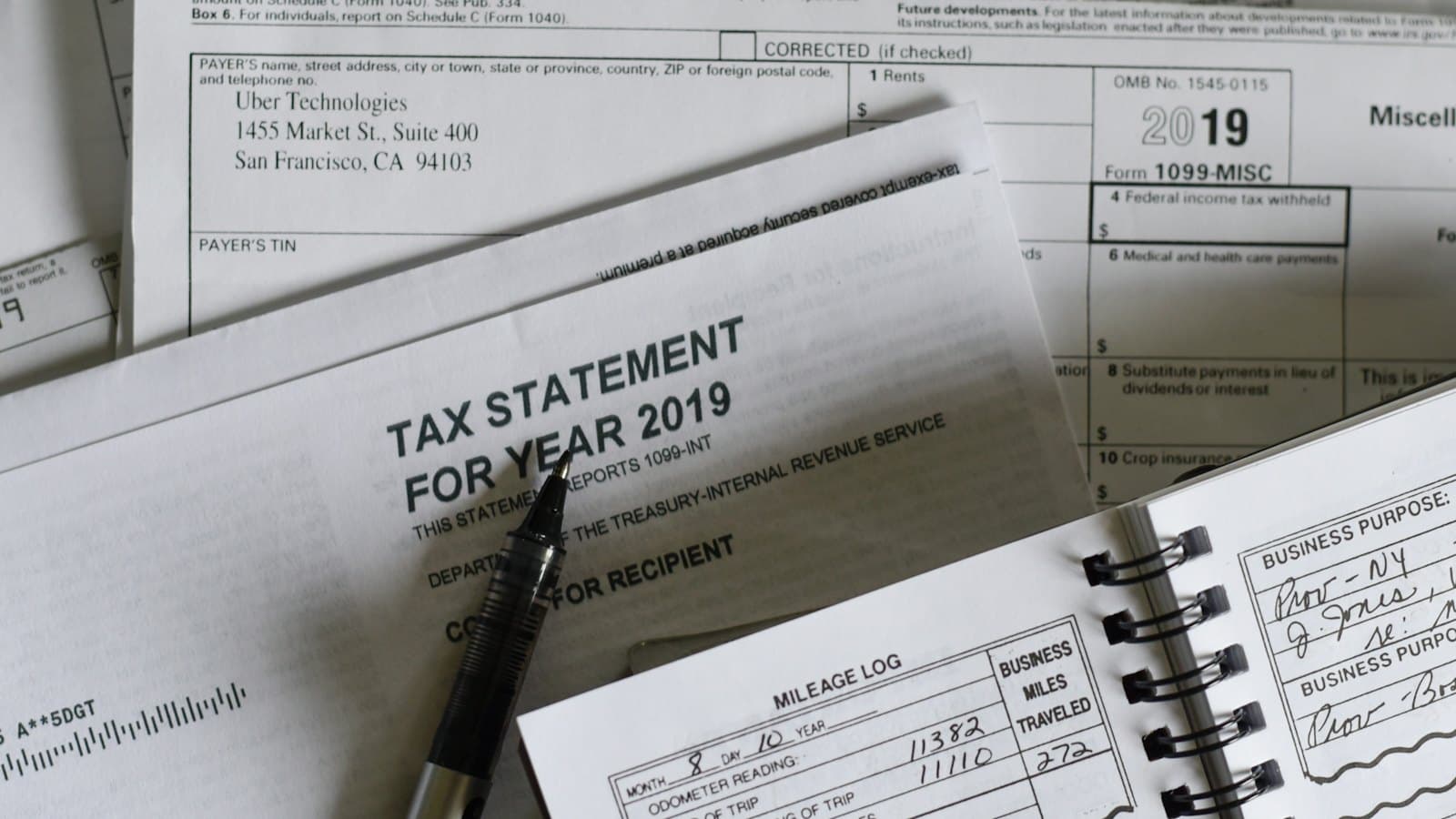
Digital expense tracking is especially valuable during tax preparation and financial audits.
The Role of Integrations in Modern Financial Workflows
A defining characteristic of the best bookkeeping software for small business operations is its ability to integrate with other business systems. Integration creates a unified financial ecosystem where data flows seamlessly between platforms.
Common integrations include:
Payment Processing Systems
Payment platforms allow transactions from credit cards, digital wallets, or online sales to flow directly into accounting records. This reduces reconciliation time and ensures revenue data is accurately recorded.
Payroll Systems
Integrating payroll software with bookkeeping systems ensures that salary expenses, tax withholdings, and payroll liabilities are automatically reflected in financial records.
E-Commerce Platforms
For online retailers, integration with e-commerce platforms ensures that sales data, taxes, and transaction fees are automatically recorded.
Customer Relationship Management (CRM) Tools
Some accounting platforms integrate with CRM systems, allowing businesses to connect financial data with sales pipelines and customer activity.
These integrations eliminate redundant data entry, reduce the risk of errors, and create a more efficient operational workflow.
Automation and Artificial Intelligence in Bookkeeping
Modern accounting technology increasingly relies on automation and artificial intelligence (AI) to simplify financial management.
Within the best bookkeeping software for small business, AI-driven features can assist with tasks such as:
Transaction Categorization
Machine learning algorithms can analyze past transactions and automatically categorize new entries with high accuracy.
Bank Reconciliation
Automated reconciliation tools match bank transactions with recorded entries, identifying discrepancies quickly and reducing the time required for month-end closing.
Financial Reporting
Many platforms generate automated reports, including income statements, balance sheets, and cash flow summaries, providing business owners with clear financial insights.
Forecasting and Financial Analysis
Some advanced tools offer predictive analytics that help businesses anticipate future cash flow trends and financial outcomes.
While automation improves efficiency, it does not replace professional financial oversight. Businesses still benefit greatly from working with experienced accountants who can interpret financial data and provide strategic guidance.
Practical Tips for Choosing the Right Bookkeeping Software
Selecting the best bookkeeping software for small business operations requires careful consideration of both current needs and future growth plans.
Here are several practical strategies to guide the decision.
Evaluate Business Complexity
A simple service-based business may require only basic accounting features, while companies with inventory, multiple employees, or international transactions may need more advanced tools.
Choosing a system that aligns with operational complexity ensures long-term usability.
Prioritize Ease of Use
User-friendly interfaces reduce the learning curve for employees and business owners. Intuitive dashboards, clear navigation, and helpful reporting tools improve adoption and efficiency.
Ensure Integration Compatibility
Before selecting a bookkeeping platform, confirm that it integrates with existing business tools such as payroll systems, payment processors, and CRM platforms.
Integration compatibility helps prevent data silos and ensures a smooth financial workflow.
Consider Data Security and Compliance
Financial information is sensitive and must be protected. Businesses should choose platforms that offer strong encryption, secure login protocols, and reliable data backup systems.
Work With a Professional Advisor
An experienced CPA or financial advisor can help evaluate bookkeeping platforms based on a company’s specific needs, ensuring that the selected system supports accurate financial reporting and long-term business goals.
Conclusion
Efficient bookkeeping is no longer limited to recording transactions—it is a critical component of strategic financial management. By adopting the best bookkeeping software for small business, companies can automate routine tasks, improve financial accuracy, and gain real-time insight into their financial performance.
Modern bookkeeping tools provide powerful features such as cloud accessibility, automated bank integrations, invoicing systems, and workflow integrations that streamline financial operations. When implemented thoughtfully, these systems reduce administrative burden while providing the data needed for smarter business decisions.
However, technology alone is not enough. The most effective financial management strategies combine reliable bookkeeping software with professional accounting guidance. Together, these resources allow businesses to maintain compliance, monitor performance, and build a strong financial foundation for sustainable growth.
Have a question about your situation?
This article is general information, not tax advice. Talk to a CPA about your specific facts.